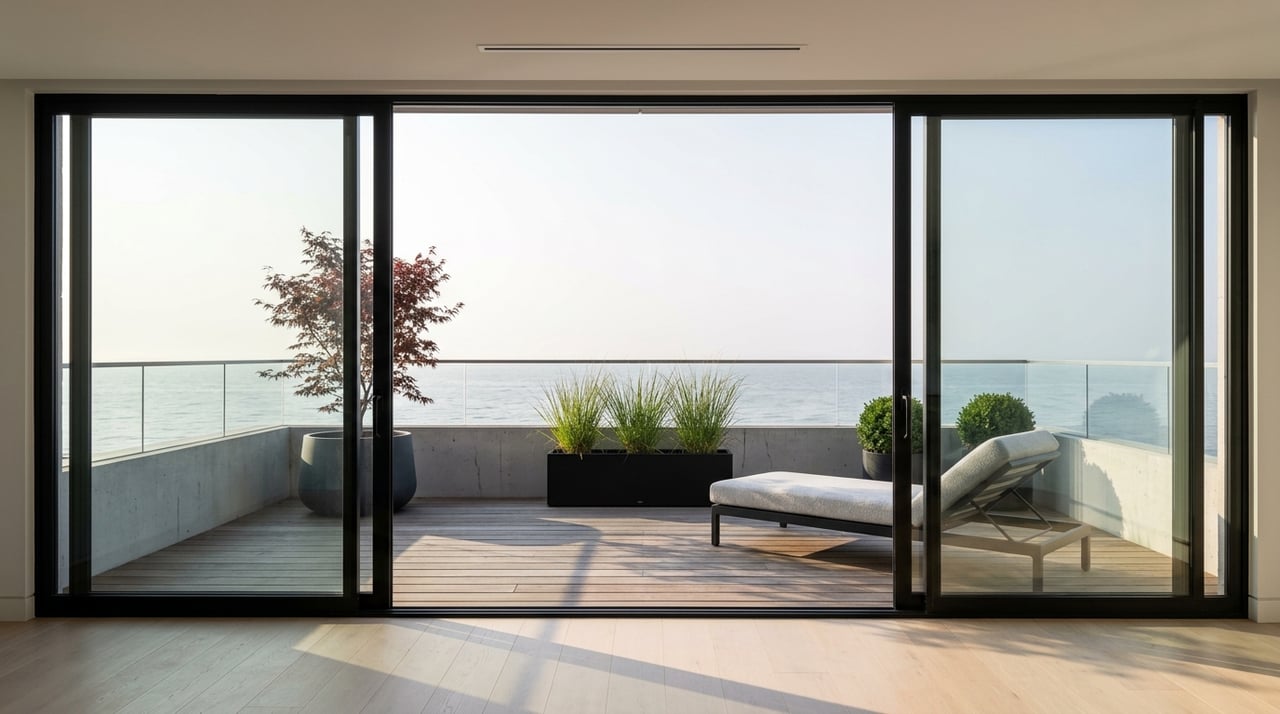
If you want downtown energy without giving up open sky and long water views, Tribeca’s river edge stands out. This part of the neighborhood offers a rare mix of park access, preserved architecture, and homes that turn sunsets over the Hudson into part of your daily routine. If you are exploring Tribeca living, it helps to understand how the waterfront actually feels, what you can do there, and what makes the housing stock distinct. Let’s dive in.
Why Tribeca’s waterfront feels different
Tribeca’s river edge forms the southernmost neighborhood section of Hudson River Park, running from Chambers Street to Canal Street. The park spans 550 acres and four miles along Manhattan’s west side, and it is open daily from 6:00 AM to 1:00 AM unless otherwise posted.
What makes this stretch special is the pairing of public open space with a strong architectural backdrop. You get broad river views and sunset light, but the setting still feels unmistakably Tribeca because of the neighborhood’s historic warehouse scale, brick facades, and loft-style proportions.
This is not a waterfront defined by beach culture or a marina atmosphere. It is better understood as promenade, park, and loft living in one of Manhattan’s most established downtown settings.
Hudson River Park in Tribeca
The waterfront experience in Tribeca centers on Pier 25 and Pier 26. Together, they create a riverfront that feels active, scenic, and easy to use as part of everyday life.
Instead of treating the water as a destination you visit once in a while, many people experience it as an extension of the neighborhood. In just a few minutes, you can move from Tribeca’s streets to lawns, piers, and wide-open river views.
Pier 25 highlights
Pier 25 is the more recreation-focused of the two piers. It offers panoramic views of Lower Manhattan and New York Harbor, while also bringing together several activities in one place.
At Pier 25, Hudson River Park lists:
- Beach volleyball
- Manhattan’s only 18-hole miniature golf course
- A children’s playground
- Grand Banks on the historic schooner Sherman Zwicker
- The historic steamship Lilac
- A community compost drop-off
This variety gives the pier a lively, all-day rhythm. It can feel equally suited to an early walk, an afternoon outing, or an evening by the water.
Pier 26 highlights
Pier 26 offers a different experience. Opened in 2020, this 2.5-acre ecologically themed pier includes native planting zones, a lawn, play space, a sports area, and the Tide Deck with river and skyline views.
The pier also brings water access into daily life in a very direct way. The Downtown Boathouse operates from the Pier 26 Boathouse and provides free kayaking, with Hudson River Park reporting that volunteers put 28,000 people on the water each year.
For people who value a social waterfront, Pier 26 also includes City Vineyard, known for riverside dining and sunset views. The result is a setting that feels scenic without feeling static.
What daily waterfront living looks like
One of the strongest parts of the Tribeca waterfront story is how usable it is. The river edge supports a routine that can include a morning run, a dog walk, time on the lawn, kayaking, miniature golf, volleyball, or a sunset dinner.
That range matters because it keeps the waterfront from feeling one-note. It serves different lifestyles at once while still preserving the neighborhood’s residential downtown character.
If you are considering a home nearby, this is often the real luxury. It is not just the view itself. It is the ability to step outside and have open space, activity, and atmosphere within minutes.
Sunset views are part of the appeal
Hudson River Park specifically highlights the Tribeca waterfront as a place to watch the city’s sunsets. That detail says a lot about the rhythm of the area.
In many Manhattan neighborhoods, a sunset view feels like an occasional bonus. Along Tribeca’s western edge, it can become part of your normal routine, whether you are ending the day on a pier, at dinner, or from a west-facing home.
For buyers looking at lifestyle value, that consistency matters. It turns the riverfront into something you use and appreciate regularly, not just something you admire from a distance.
The architecture shapes the atmosphere
Tribeca’s identity is deeply tied to preservation. The neighborhood includes multiple designated historic districts, including Tribeca West, South, South Extension, North, and East.
The New York City Landmarks Preservation Commission explains that historic districts are recognized for architectural and historical significance and for having a distinct sense of place. In Tribeca, that translates into blocks defined by industrial-era buildings, cast-iron details, brick warehouses, and loft-scale volumes.
This preservation framework is a major reason the waterfront feels more textured and intimate than a typical glass-tower district. The views are open and modern, but the surrounding streetscape still carries depth, material character, and a strong sense of continuity.
What preservation can mean for owners
If you buy in a landmarked building or within a historic district, exterior changes are subject to Landmarks Preservation Commission review and approval. That can affect decisions involving windows, facades, terraces, or other visible exterior elements.
For many buyers, this is less about restriction and more about understanding the context of ownership. It is one of the reasons Tribeca’s built character has remained so intact over time.
Home types near the waterfront
Tribeca waterfront housing is not uniform. The inventory includes both converted industrial buildings and newer luxury residences, often with an emphasis on volume, light, and outdoor space oriented toward the Hudson.
Examples in the area include converted warehouse condominiums and waterfront loft conversions, as well as newer glass residences. Across these property types, a consistent pattern appears: large rooms, high ceilings, expansive windows, and roof decks or terraces positioned to take advantage of river views.
From a lifestyle perspective, that combination is central to the appeal. A waterfront home in Tribeca often offers not only proximity to the park, but also a physical connection to light, air, and western exposure.
Features buyers often prioritize
While every building is different, the most sought-after view homes near the river often include:
- West-facing exposures
- Upper-floor positioning
- Corner layouts
- Large loft-style windows
- Private terraces
- Shared roof decks with Hudson views
These are not formal rules, but they are useful patterns when you are evaluating homes along Tribeca’s waterfront edge. In this part of the market, orientation and building character often shape value as much as square footage.
Transit and access stay practical
A waterfront address can sound removed from daily convenience, but Tribeca’s river edge remains well connected. Pier 26 lists nearby access to the M20 bus and the 1, 2, 3, A, C, and E subway lines.
That matters if you want open space without feeling isolated from the rest of Lower Manhattan. The neighborhood can offer a calmer visual environment by the water while still keeping everyday movement practical.
Who this lifestyle tends to suit
Tribeca waterfront living often appeals to buyers who want a more composed version of downtown Manhattan. The draw is not only luxury finishes or a famous address. It is the balance of architecture, park access, and daily livability.
You may be especially drawn to this area if you value:
- Open water and sunset views
- Loft character and preserved architecture
- Access to outdoor recreation close to home
- A quieter river edge within a downtown setting
- Homes with light, volume, and strong proportions
In that sense, the waterfront is one of Tribeca’s clearest lifestyle expressions. It brings together public space and private residential appeal in a way that feels difficult to replicate elsewhere in Manhattan.
Why the Tribeca waterfront remains compelling
The strongest case for this area is simple. You get a real riverfront park, active piers, and a preserved neighborhood fabric that still feels grounded in Tribeca’s history.
That combination gives the waterfront lasting appeal. It is scenic, but it is also functional. It is refined, but it does not feel overly manufactured.
For buyers seeking a downtown home with both atmosphere and utility, Tribeca’s edge along Hudson River Park continues to offer one of Manhattan’s most distinctive residential experiences.
If you are considering a waterfront purchase in Tribeca or evaluating how a river-facing property fits your goals, New York Collaborative can help you navigate the neighborhood with a tailored Manhattan perspective.
FAQs
What is the Tribeca waterfront section of Hudson River Park?
- It is the southernmost neighborhood section of Hudson River Park, running from Chambers Street to Canal Street along Manhattan’s west side.
What can you do at Pier 25 in Tribeca?
- Pier 25 includes beach volleyball, Manhattan’s only 18-hole miniature golf course, a playground, waterfront dining, a historic vessel, and community compost drop-off.
What makes Pier 26 in Tribeca different?
- Pier 26 is a 2.5-acre ecologically themed pier with native plantings, a lawn, play space, a sports area, the Tide Deck, free kayaking through the Downtown Boathouse, and riverside dining.
What kinds of homes are near the Tribeca waterfront?
- Homes near the waterfront include converted industrial loft buildings and newer luxury residences, often with high ceilings, large windows, and roof deck or terrace access oriented toward Hudson River views.
What should buyers know about Tribeca historic districts?
- If a home is in a landmarked building or historic district, exterior changes such as windows, facades, terraces, or other visible alterations may require review and approval by the New York City Landmarks Preservation Commission.
How accessible is the Tribeca waterfront by transit?
- Pier 26 lists nearby service from the M20 bus and the 1, 2, 3, A, C, and E subway lines, making the riverfront convenient to reach as part of everyday city living.
