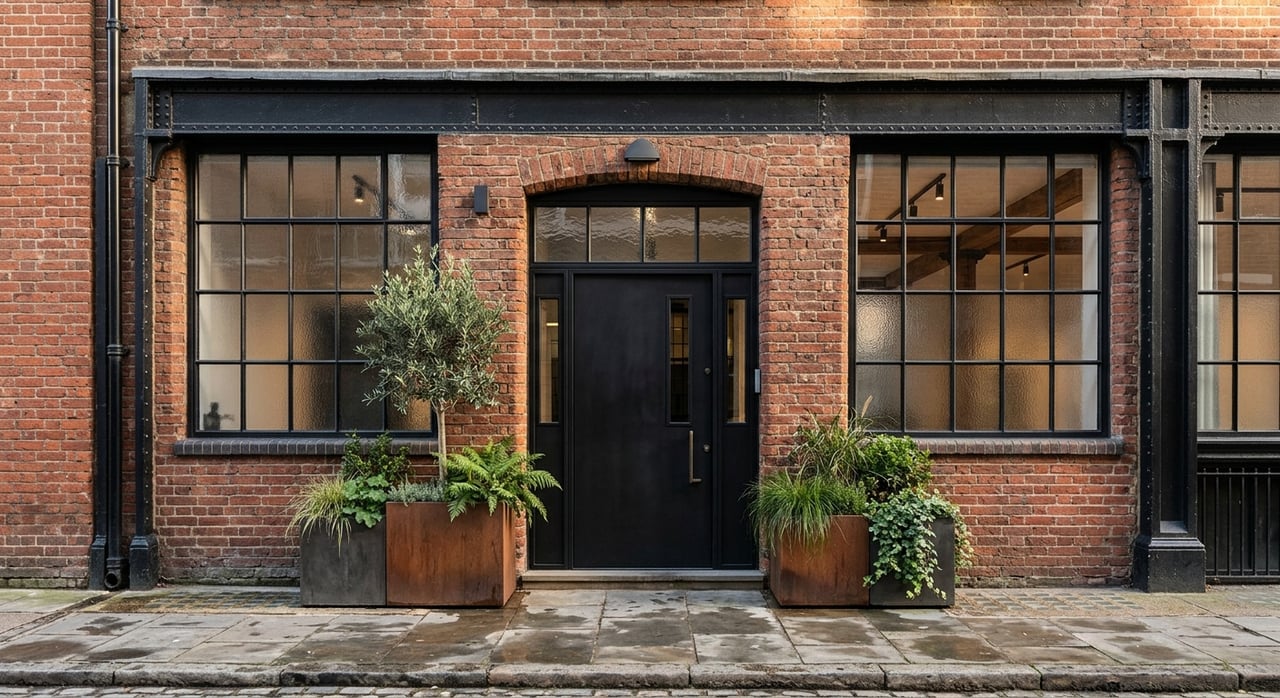
If you are buying in Tribeca, one question can shape your entire search: do you want the polish of new development or the character of a converted loft? In a neighborhood known for both historic architecture and high-end condo inventory, that choice affects not just how your home looks and feels, but also how you budget, plan future changes, and weigh long-term value. This guide breaks down the tradeoffs so you can decide which path fits your priorities in Tribeca. Let’s dive in.
Why this choice matters in Tribeca
Tribeca is not a typical Manhattan neighborhood. Its identity is closely tied to its industrial past, and many of its best-known buildings are historic store-and-loft structures that helped define the area south of Canal Street.
That history still matters today. Preservation rules, landmarked streetscapes, and a limited number of sales can all shape what you can buy, what you can change, and how pricing behaves from one property to the next.
Tribeca is also one of Manhattan’s most expensive submarkets. PropertyShark ranked Tribeca among the city’s priciest neighborhoods in 2025, with a median sale price of $3.7 million and a condo median of $4 million. In early 2026, reported medians moved even higher, though the small number of transactions means monthly figures can shift based on the mix of sales.
What new development usually offers
For many buyers, new development is about ease. You are often paying for a more standardized move-in experience, newer building systems, and a product that is designed for modern expectations around finish, layout, and day-one livability.
That convenience usually comes at a premium. PropertyShark reported that recently built homes in New York City sold at a median price 58% above older housing stock in 2025, with Manhattan’s luxury corridors showing some of the sharpest premiums.
In other words, when you buy new development in Tribeca, you are layering a new-construction premium on top of an already expensive neighborhood. That does not make it the wrong choice. It simply means you should be clear on what you are paying for.
New development may fit you if you value simplicity
If your priority is a cleaner, more predictable move, new development may feel like the right fit. It often appeals to buyers who want to minimize immediate projects and focus on lifestyle rather than renovation planning.
This can be especially relevant if you are buying a primary residence, a pied-à-terre, or an investment with a shorter hold period. A more standardized building profile can make it easier to model carrying costs and reduce surprises tied to older infrastructure or building-specific conversion issues.
Tax benefits can help, but they are not universal
Some new buildings and eligible conversions may qualify for tax incentives under New York City programs such as 485-x. According to HPD, this exemption may apply to certain new multiple dwellings and eligible conversions with six or more units that meet timing and program requirements.
For you as a buyer, the practical takeaway is simple: a favorable tax profile may help with early carrying costs, but the benefit is project-specific and time-limited. You should verify the benefit start date, end date, and current benefit year before relying on it in your budget.
What a Tribeca loft conversion usually offers
If new development is about polish and predictability, a converted loft is about space, history, and identity. Tribeca’s loft buildings were largely built in the 1850s and early 1860s for wholesale and manufacturing uses, and their later residential reuse is a major part of what gives the neighborhood its distinct feel.
For many buyers, that appeal is hard to replicate. A loft conversion can offer a more singular interior experience and a stronger connection to the neighborhood’s architectural fabric.
That said, loft living in Tribeca often asks for more flexibility from you as an owner. The charm is real, but so is the need for deeper diligence.
Loft conversions may fit you if you want character
A converted loft may be the better fit if you care most about authenticity, volume, and architectural presence. These properties often appeal to buyers who want something less standardized and more tied to Tribeca’s historic identity.
This path can also suit buyers with a longer customization horizon. If you are comfortable evaluating building records, approvals, and future work needs, the tradeoff may feel worthwhile for a home that stands apart.
Some loft buildings carry extra regulatory layers
In Tribeca, preservation is not just aesthetic. If a building is landmarked or located in a historic district, the Landmarks Preservation Commission generally must approve most exterior alterations, reconstructions, demolitions, and new construction.
That matters if you are thinking ahead to changes such as window replacement, facade work, terraces, roof work, or certain combinations of units. Landmark status does not freeze a property, but it can add a meaningful review layer that affects timing and flexibility.
Interior work is usually outside LPC review unless it affects the exterior or the interior itself is designated. Still, if you are buying with renovation plans in mind, it is smart to confirm the approval path before you commit.
Some lofts may involve Loft Law questions
Certain buildings may also fall under New York City’s Loft Law framework. The Loft Board explains that covered buildings are interim multiple dwellings being legalized from commercial or manufacturing use to residential use, with a process that brings them up to minimum residential code standards.
If you are considering this type of property, you will want clarity on whether legalization is complete and whether residential certificate-of-occupancy work has been resolved. This is one of the clearest examples of why loft purchases can require more building-specific diligence than a typical new condo purchase.
A side-by-side way to think about it
Your decision usually comes down to what you want your purchase to optimize for.
| Priority | New Development | Loft Conversion |
|---|---|---|
| Move-in experience | More standardized and lower-friction | More variable and building-specific |
| Design feel | Modern and newly built | Historic and architecturally distinct |
| Pricing profile | Often carries a premium | Varies by building and condition |
| Future changes | May be simpler in some cases, depending on building | Can involve landmark or loft-related review |
| Best for | Buyers prioritizing convenience and predictability | Buyers prioritizing character and uniqueness |
Questions to ask before you choose
Before you decide, it helps to move beyond broad labels like new or historic. In Tribeca, the better question is how each property supports the way you want to live and hold the asset.
Ask yourself:
- Do you want a more turnkey move-in process?
- Are you comfortable paying a premium for newer systems and a newer product profile?
- Is architectural character more important to you than standardization?
- Do you expect to renovate, combine units, or make exterior-related changes later?
- Are you prepared to review tax benefit timelines and building-specific approval issues?
These questions can quickly clarify which lane makes more sense.
How investors and long-term buyers may think differently
If you are buying with an investment lens or a shorter hold period, your analysis may lean more heavily on carrying costs, tax-benefit end dates, and any open sponsor or legalization issues. In a market like Tribeca, details that look minor at first can have an outsized impact on the true cost of ownership.
If you are buying for a longer-term hold, the equation often shifts. The decision may be less about whether newer or older is objectively better and more about whether you are optimizing for lifestyle simplicity, scarcity value, or a longer customization timeline.
That distinction matters in Tribeca because the sales base can be thin. When transaction volume is limited, pricing can be influenced by the exact mix of product sold in a given month or quarter.
The practical Tribeca answer
In Tribeca, neither option wins by default. New development tends to suit buyers who want ease, modern systems, and a more predictable ownership experience, while loft conversions tend to suit buyers who want originality, volume, and a closer tie to the neighborhood’s historic character.
The strongest choice is the one that matches your priorities, your tolerance for complexity, and your plans for the property over time. In a neighborhood where pricing is high and building conditions vary widely, a tailored search and careful underwriting matter just as much as taste.
If you are weighing a Tribeca new development against a converted loft, the right guidance can save time and sharpen your decision. For a bespoke Manhattan market consultation, connect with New York Collaborative .
FAQs
What is the main difference between Tribeca new development and a loft conversion?
- In Tribeca, new development usually offers a more standardized, move-in-ready ownership experience, while a loft conversion usually offers more historic character, unique architecture, and more building-specific diligence.
Are Tribeca new developments typically more expensive than older properties?
- New development often commands a premium in New York City, and in Tribeca that premium sits on top of one of Manhattan’s highest pricing tiers.
Do landmark rules affect Tribeca loft buyers?
- Yes. If a Tribeca building is landmarked or in a historic district, many exterior changes and some related work may require Landmarks Preservation Commission approval.
Can a Tribeca loft still be under Loft Law rules?
- Some buildings may still involve Loft Law or legalization issues, so you should confirm whether residential conversion and certificate-of-occupancy work are complete.
How should you compare carrying costs in Tribeca new developments?
- You should review monthly ownership costs carefully and verify whether any tax benefit applies, when it starts, and when it ends, because those details can materially change the budget over time.
Which Tribeca property type is better for long-term value?
- There is no universal winner. In Tribeca, the better fit usually depends on whether you are prioritizing convenience, scarcity, architectural identity, or future customization potential.
