If you are preparing to sell a Cobble Hill townhouse, the biggest mistake is treating it like a routine listing. In a neighborhood with limited turnover, historic appeal, and premium price points, buyers notice the difference between a home that is simply available and one that is fully launch-ready. This guide will help you focus on the preparation steps that can shape first impressions, support a smoother deal, and position your townhouse with impact from day one. Let’s dive in.
Why launch readiness matters in Cobble Hill
Cobble Hill is a tightly held Brooklyn townhouse market with a strong visual identity and a relatively small pool of active listings. As of April 2026, Realtor.com reported 32 homes for sale, a median listing price of $2.295 million, and a median 29 days on market.
That matters because buyers in this segment are not just comparing square footage. They are comparing architecture, condition, presentation, and how confidently a property comes to market. In Cobble Hill, where renovated townhouses can ask above $3 million, your first week on the market can carry outsized weight.
Start with a pre-listing walk-through
Before photography, pricing conversations, or showing plans, take a hard look at the home as a buyer would. The goal is not perfection for its own sake. The goal is to remove distractions and make the house feel polished, spacious, and easy to understand.
Begin with the basics that consistently improve presentation:
- Declutter each floor
- Deep clean the full home
- Touch up neutral paint where needed
- Remove oversized or bulky furniture
- Pack away highly personal items
These steps help buyers focus on the townhouse itself rather than your daily life inside it. In a historic townhouse, that is especially important because character features should lead the visual story.
Stage the rooms that matter most
Not every room needs the same level of attention. The highest-impact spaces are usually the living room, primary bedroom, kitchen, dining room, and outdoor areas.
If you are deciding where to spend time and budget, start there. Those rooms often shape the buyer’s overall impression of how the home lives, entertains, and flows from floor to floor.
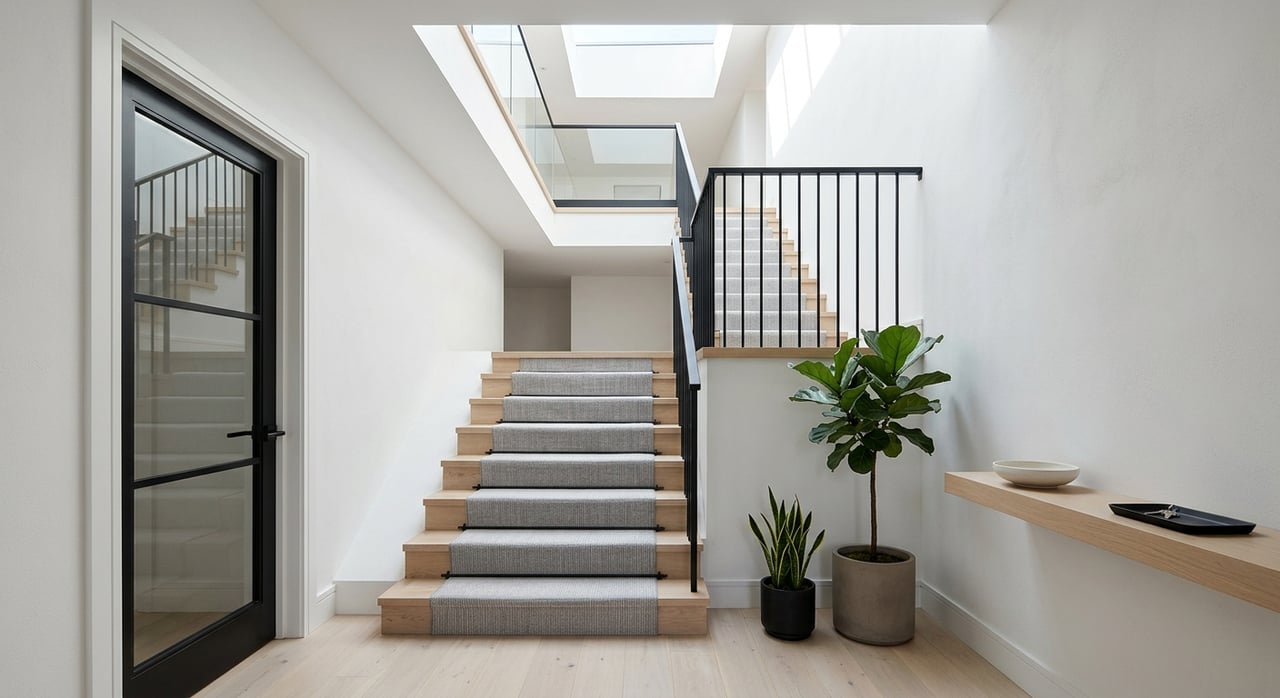
For a Cobble Hill townhouse, staging should support both beauty and clarity. You want buyers to notice details like ceiling height, original millwork, staircases, natural light, and garden or roof access without visual clutter competing for attention.
Don’t overlook the facade and stoop
Townhouse curb appeal starts before anyone steps inside. In Cobble Hill, the exterior is part of the value story because the block itself often contributes to how buyers experience the property.
Focus on visible items that affect photos and in-person showings:
- Clean front steps and entry
- Refresh the front door if needed
- Tidy planters or window boxes
- Address landscaping in front or rear garden areas
- Wash windows and improve glass clarity
A well-kept facade signals care and consistency. In a neighborhood known for historic streetscapes, that signal matters.
Build a strong digital first impression
For many buyers, the first showing happens online. Nearly half of interested buyers begin their home search online, which makes your visual package a core part of the launch rather than a secondary detail.
A premium townhouse listing should be ready with professional marketing assets before it appears publicly. That typically means more than standard still photos.
Key assets to prepare before launch
Your pre-listing package should include:
- Professional photography
- Video or digital walkthrough content
- Floorplans
- Virtual tour assets when appropriate
- Exterior images, including twilight shots when possible
The photo sequence should tell a complete story. Include broad overview shots of major rooms, detail images of architectural features, outdoor space, and exterior images that show both the house and its setting.
Tell a Cobble Hill-specific visual story
The strongest townhouse campaigns do not look generic. They highlight what makes the house feel rooted in Cobble Hill.
That may include original details, proportions, light, the connection between parlor and garden levels, or the relationship between the townhouse and the block. The surrounding neighborhood context also matters, including the area’s historic townhouse fabric, quiet residential streets, and nearby retail and dining corridors such as Court Street.
Prepare paperwork before the listing goes live
High-value townhouse deals often slow down for preventable reasons. One of the most common is incomplete document preparation.
Before your home hits the market, gather the information a serious buyer and attorney will likely ask for early. A polished launch is not just visual. It is operational.
Review the Property Condition Disclosure Statement
For covered residential real property in New York, including many one- to four-family dwellings, the Property Condition Disclosure Statement now matters early in the process. The current state form says it is required beginning July 1, 2025, and sellers must deliver it before a binding contract is signed.
The form is based on your actual knowledge and is not a warranty, but accuracy matters. Knowingly false or incomplete statements can create risk, and if you later learn something that makes the disclosure materially inaccurate, a revised statement should be delivered as soon as practicable before transfer or occupancy.
Use disclosures as a prep checklist
This is where many townhouse sellers benefit from starting early. The disclosure form can help you identify issues before they become negotiation points.
Common items to gather and confirm include:
- Rights to use the property
- Any title claims
- Shared walls or driveways
- Utility surcharges
- Certificates of occupancy
- Floodplain status
- Flood insurance history
- Flood-related claims
Even if you plan to sell as is, disclosure obligations may still apply. As-is status does not remove those responsibilities for covered properties.
Check lead paint requirements
If the townhouse was built before 1978, lead-based paint disclosure rules generally apply to most sales. You should be prepared to provide any known records and reports relating to lead-based paint.
This is another reason early document gathering matters. It is much easier to address these items before launch than while an offer is under review.
Confirm landmarks and exterior work status
Cobble Hill has a strong historic district presence, so exterior work deserves extra attention. According to the Landmarks Preservation Commission, buildings within historic districts generally need Commission approval for most exterior alterations, while ordinary repairs and most interior work usually do not require review.
If you have completed or are considering visible exterior work, check it before launch. That can include facade changes, windows, stoop work, roofing, or other updates seen from the street.
This is not just a compliance issue. It is also a buyer confidence issue. If a purchaser has questions about whether exterior work was handled properly, momentum can slow quickly.
Review the CO or LNO early
Certificate of occupancy due diligence should be part of pre-listing preparation for any townhouse. The New York City Department of Buildings states that a building must have a certificate of occupancy or temporary certificate of occupancy to be legally occupied, unless it is a type of building that did not require one at the time it was built.
For many older buildings built before 1938, a Letter of No Objection may be relevant if no certificate of occupancy was originally required. The Department of Buildings also notes that a certificate should be current or amended when use, egress, or occupancy changes.
If your townhouse has open applications or violations, deal with that as early as possible. These issues can complicate the sale process and limit your flexibility once buyers begin due diligence.
Plan for taxes and net proceeds
Strong launch preparation also means understanding your financial picture in advance. For New York City sales, transfer taxes are usually paid at closing, according to the city.
You should also be aware that New York State’s 1 percent mansion tax generally applies to residential transactions at $1 million or more and is generally paid by the buyer. Even when a tax is not your direct obligation, it can still shape buyer math and negotiation strategy.
Use a controlled first-week rollout
In Cobble Hill, a townhouse launch often performs best when it feels deliberate rather than piecemeal. That means having photos, floorplans, disclosures, and core documentation ready before the first public appearance.
A controlled rollout helps you present the house as a finished opportunity. Instead of releasing the listing before all materials are ready, aim for a polished first-week push that creates clarity and urgency.
What a strong launch usually includes
A well-executed first week typically includes:
- Finished staging
- Professional imagery
- Complete floorplans
- Core disclosures prepared
- Documentation reviewed in advance
- A clear showing schedule
- Consistent marketing narrative across channels
This kind of preparation supports smoother conversations with serious buyers. It also helps protect your pricing position by reducing avoidable uncertainty.
Position the home with editorial clarity
Townhouses at this level benefit from more than a list of features. They need a narrative that explains why the house matters.
For Cobble Hill, that story should feel specific and grounded. It may center on historic townhouse character, a landmarked block, light and proportion, garden access, or how the home connects to the neighborhood’s established residential fabric and nearby Court Street amenities.
When the story is clear, the marketing feels more persuasive without becoming exaggerated. Buyers can see not just what the house is, but why it stands apart.
Final thoughts on preparing with impact
Selling a Cobble Hill townhouse is not only about putting a property on the market. It is about preparing the asset, the paperwork, and the presentation so the launch feels confident from the start.
When you combine physical preparation, digital storytelling, disclosure readiness, and first-week discipline, you give your home the best chance to stand out in a competitive premium segment. If you are considering a townhouse sale and want a more tailored launch strategy, New York Collaborative can help you shape a campaign with the level of precision this market demands.
FAQs
What should you fix before listing a Cobble Hill townhouse?
- Focus first on visible presentation issues such as clutter, cleaning, paint touch-ups, bulky furniture, facade appearance, front entry condition, and outdoor upkeep. Also review any larger issues that could affect disclosures, occupancy, or buyer confidence.
What documents should you gather before selling a townhouse in Cobble Hill?
- Start with the New York Property Condition Disclosure Statement information, certificate of occupancy or Letter of No Objection records if applicable, lead paint records for pre-1978 homes, and any documents relating to shared walls, title issues, flood history, or exterior work.
Do Cobble Hill townhouse facades need landmarks approval?
- If the property is within the Cobble Hill Historic District, most exterior alterations generally require Landmarks Preservation Commission approval, while ordinary repairs and most interior work usually do not.
Why do professional photos matter for a Cobble Hill townhouse listing?
- Many buyers begin online, so photos, floorplans, video, and digital walkthrough assets often shape the first impression. Strong visuals can make it easier for buyers to understand the layout, notice architectural details, and decide to schedule a showing.
Does an as-is townhouse sale remove disclosure duties in New York?
- No. For covered residential properties, selling as is does not remove the obligation to provide required disclosures under current New York rules.
What occupancy record should you verify before listing a Cobble Hill townhouse?
- You should confirm whether the building has a current certificate of occupancy, temporary certificate of occupancy, or, for some older buildings, a Letter of No Objection if no certificate was required when the building was constructed.
