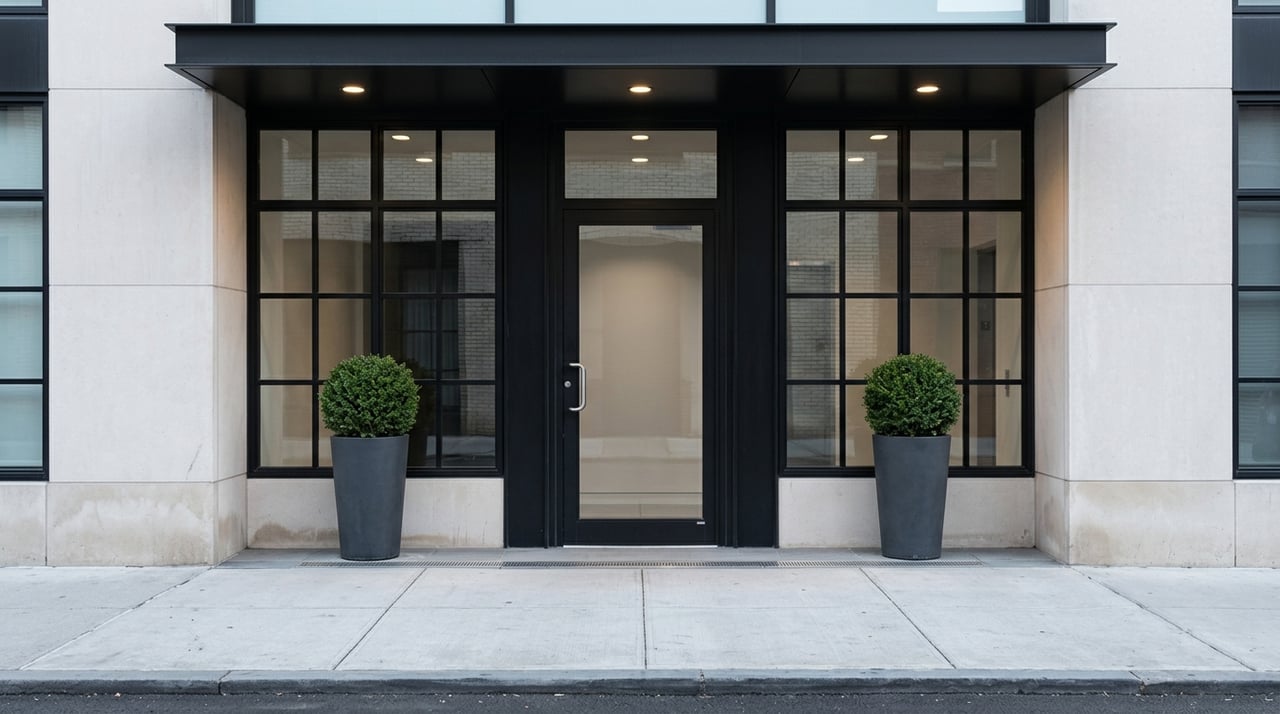
If you are launching a boutique condo in Tribeca, the biggest risk is not lack of interest. It is blending into a downtown market where buyers are discerning, pricing is closely watched, and every project is compared against a wider Lower Manhattan field. In a neighborhood known for loft character, architectural substance, and strong point of view, a successful debut takes more than polished finishes. It takes disciplined positioning, a clear story, and a release plan built for the way Tribeca buyers actually shop. Let’s dive in.
Why Tribeca launch strategy matters
Tribeca operates in a very different price band from the broader Manhattan market. Over the three months ending May 2026, Redfin reported a median sale price of $3,893,690 in Tribeca, compared with $1,374,178 across Manhattan overall. At the same time, Tribeca posted a 99.3% sale-to-list ratio, 77 median days on market, and price drops on 49.4% of listings.
That combination tells you something important. Buyers will pay for the right product, but they still expect pricing discipline and a compelling reason to act. For a boutique condo, that means your launch has to feel intentional from day one.
Tribeca also sits within Manhattan Community District 1, alongside Battery Park City, Civic Center, the Financial District, Greenwich South, and the Seaport. In practical terms, your direct competition is not limited to a few nearby blocks. Your project enters a larger downtown conversation where buyers may compare Tribeca against other Lower Manhattan options before making a decision.
Start with a Tribeca-specific story
A boutique condo in Tribeca should not read like a generic luxury product that could sit anywhere in the city. The neighborhood has a distinct identity shaped by industrial and commercial loft buildings, many rising seven to eleven stories, with ground-floor retail, restaurants, coffee shops, and art galleries. That context matters because buyers in Tribeca often respond to specificity, not sameness.
The strongest launches translate local character into a clear project narrative. That can show up in façade proportion, materials, storefront presence, and interior detailing that feels crafted rather than overproduced. The goal is not nostalgia. The goal is to make the building feel rooted in Tribeca’s built environment and creative history.
That kind of storytelling fits the neighborhood especially well. Tribeca’s broader cultural identity is closely tied to independent film, creative expression, and narrative-driven branding. For a sponsor, that means the sales story should explain not just what the residences include, but why the building belongs here.
What branding should translate
When shaping the launch narrative, focus on place-based details buyers can feel:
- Massing and scale that relate to the surrounding streetscape
- Façade rhythm and proportion that echo loft-era architecture
- Ground-floor expression that feels connected to an active neighborhood
- Interior materials that read as durable, quiet, and architectural
- Imagery and copy that present the homes as collected and intentional, not generic luxury
For boutique projects, this level of detail can create separation in a crowded market. It gives buyers a reason to remember the building and helps pricing feel more credible.
Respect the regulatory frame early
Tribeca is not a blank-slate development environment. The Special Tribeca Mixed Use District was created to retain wage-producing industry, allow compatible residential uses, support housing at an appropriate density, and align development with Lower Manhattan policy. That history still shapes how projects are understood in the neighborhood.
Just as important, Tribeca includes several historic districts on the Manhattan map of the Landmarks Preservation Commission, including Tribeca East, Tribeca North, Tribeca South, Tribeca South Historic District Extension, and Tribeca West. LPC states that most exterior changes in historic districts require review. It also notes that new buildings and enlargements in a historic district must satisfy LPC standards for context and scale even if they comply with zoning.
For a sponsor, this affects more than approvals. It can shape the project’s look, schedule, and market positioning. A launch tends to be stronger when architecture, compliance, and branding are aligned from the start rather than treated as separate tracks.
LPC review versus zoning and DOB
A common mistake is to think zoning approval alone defines the pace of a launch. In Tribeca, LPC review can be a major factor because it evaluates how a proposal affects architectural and historic character. LPC also makes clear that it does not regulate floor area, sunlight, air, density, or use, which are handled through other frameworks.
That distinction matters when planning a sales timeline. If the exterior design, enlargement, or new building condition is still being refined through LPC review, the final market-facing story may still be evolving as well. The best launch planning recognizes that entitlement, design resolution, and brand preparation need to move together.
Price for confidence, not just ambition
Because Tribeca pricing is high, there can be a temptation to lead with the most aggressive number the market might support. Current data argues for a more disciplined approach. With nearly half of listings showing price drops, buyers are clearly rewarding precision and pushing back on overreach.
For a boutique condo, opening price matters because it sets the tone for the whole building. A clean, well-supported ask can create momentum, while an inflated debut can force a reset that weakens perception across the stack. In a small project, every pricing decision is more visible.
The Manhattan new-development market also gives useful context. Douglas Elliman and Miller Samuel reported a $2,285,000 median sale price, 1,033 listings, 7.7 months of supply, 96 days on market, and 15.3% of overall Manhattan sales in Q4 2025. That points to a market where buyers are selective and where boutique projects benefit from a deliberate release plan and strong pre-launch education.
What disciplined pricing looks like
A thoughtful launch usually includes:
- A clear opening strategy tied to realistic buyer response
- A release sequence that protects flexibility across the inventory
- Messaging that explains value through design, scale, and location
- Early feedback loops from qualified buyers to test resistance points
For Tribeca, pricing should feel earned by the product and the story. If buyers understand why the building is different, they are more likely to engage seriously at launch.
Build a unit mix that creates momentum
In a boutique project, unit mix is not just a planning exercise. It is part of the sales strategy. Because the building has limited inventory, each residence should help the launch perform a distinct role.
A smart stack often includes a mix of more accessible entry residences, larger homes that meet family-sized demand, and one or two standout residences that function as headline inventory. This approach can broaden buyer interest without diluting the building’s identity. It also helps the sales team tell a fuller story from the start.
The point is not to chase volume. In Tribeca, the stronger approach is usually to make each home purposeful within the campaign. Buyers should be able to understand how one residence relates to the next and why the collection feels curated rather than repetitive.
How the unit mix supports launch
Each category can serve a role:
- Entry residences bring buyers into the conversation and help establish initial traction
- Larger homes support the core value proposition of full-scale Tribeca living
- Headline residences create aspiration, press appeal, and pricing authority for the project
In a small building, that balance can be especially powerful. It gives the launch range while keeping the offering coherent.
Time the release against downtown supply
Even if your project is highly specific to Tribeca, it launches into a broader downtown pipeline. Downtown Alliance reported 4,211 units under construction across 8 buildings and 6,587 planned across 23 buildings in Lower Manhattan as of Q1 2026. That level of future supply increases the need for timing discipline.
This does not mean every sponsor should rush to market. It means timing should be strategic. If competing inventory is building nearby, your launch may benefit from a sharper pre-marketing window, a more focused release sequence, or a stronger effort to educate buyers before inventory alternatives multiply.
For boutique condos, smaller scale can actually be an advantage. You do not need to absorb hundreds of units. But you do need to enter the market with clarity, because buyers considering downtown new development will likely compare multiple projects at once.
Timing questions worth asking
Before launch, it helps to pressure-test a few basics:
- What competing downtown inventory is active now?
- What nearby projects may launch during your sales window?
- Is your design story fully resolved and presentation-ready?
- Are pricing and release strategy aligned with current buyer behavior?
- Do your marketing assets match the level of the product?
A boutique project usually performs best when it opens with conviction, not when it debuts half-formed and hopes the market fills in the blanks.
Coordinate design, marketing, and sales
In Tribeca, the launch team matters almost as much as the product. A strong debut requires close coordination between design, pricing, imagery, messaging, and contract execution. If those elements feel disconnected, buyers notice quickly.
That is especially true in a neighborhood where architecture and context carry real weight. The sales effort should not begin after the building is designed. It should develop alongside the project so that every public-facing detail supports the same positioning.
For a boutique condo, high-quality visuals are essential, but they are only part of the picture. Buyers also respond to well-structured information, disciplined pricing logic, and a sales process that feels organized and credible from first inquiry through contract.
What a strong launch team delivers
For sponsors, coordinated execution typically includes:
- Positioning that connects architecture to neighborhood identity
- Editorial-quality photography and presentation materials
- Pricing strategy informed by local market conditions
- A release plan tailored to the building’s scale and mix
- Organized sales operations and contract discipline
That level of alignment is often what separates a polished launch from one that simply looks attractive online.
The Tribeca advantage is specificity
The most successful boutique condo launches in Tribeca usually share one trait. They know exactly what they are. They do not try to be everything to everyone, and they do not rely on luxury shorthand to do the selling.
In this market, specificity creates confidence. A building that feels true to Tribeca, priced with discipline, and introduced through a thoughtful release strategy has a far better chance of gaining traction early. That is how a small project can compete effectively, even in a crowded downtown environment.
If you are preparing to bring a boutique condo to market in Tribeca, the opportunity is real. But the launch needs to be as considered as the product itself. For sponsors who want strategic positioning, curated marketing, and senior-level execution, New York Collaborative can help shape a deliberate Manhattan launch plan.
FAQs
How should a boutique Tribeca condo be positioned at launch?
- A strong launch should connect the building to Tribeca’s loft-driven character, use disciplined pricing, and present a clear story about design, scale, and neighborhood fit.
How does LPC review affect a Tribeca condo launch schedule?
- In Tribeca historic districts, LPC review can affect exterior design and timing because most exterior changes require review and new buildings or enlargements must meet LPC context and scale standards.
How should pricing work for a boutique condo in Tribeca?
- Pricing should be deliberate and well supported, especially in a market where Redfin reported price drops on 49.4% of listings, because buyers are rewarding precision rather than overreach.
How should unit mix be planned for a small Tribeca condo building?
- In a boutique project, it helps when some homes act as more accessible entry points, others support larger-space demand, and one or two residences serve as standout inventory for the launch story.
Why does downtown supply matter for a Tribeca condo launch?
- Tribeca buyers often compare options across Lower Manhattan, and with thousands of units under construction and planned downtown, launch timing and differentiation become more important.
What should the branding highlight for a new condo in Tribeca?
- Branding should emphasize place-specific details such as façade proportion, massing, street-level expression, and interiors that feel crafted and rooted in Tribeca rather than generic luxury.
