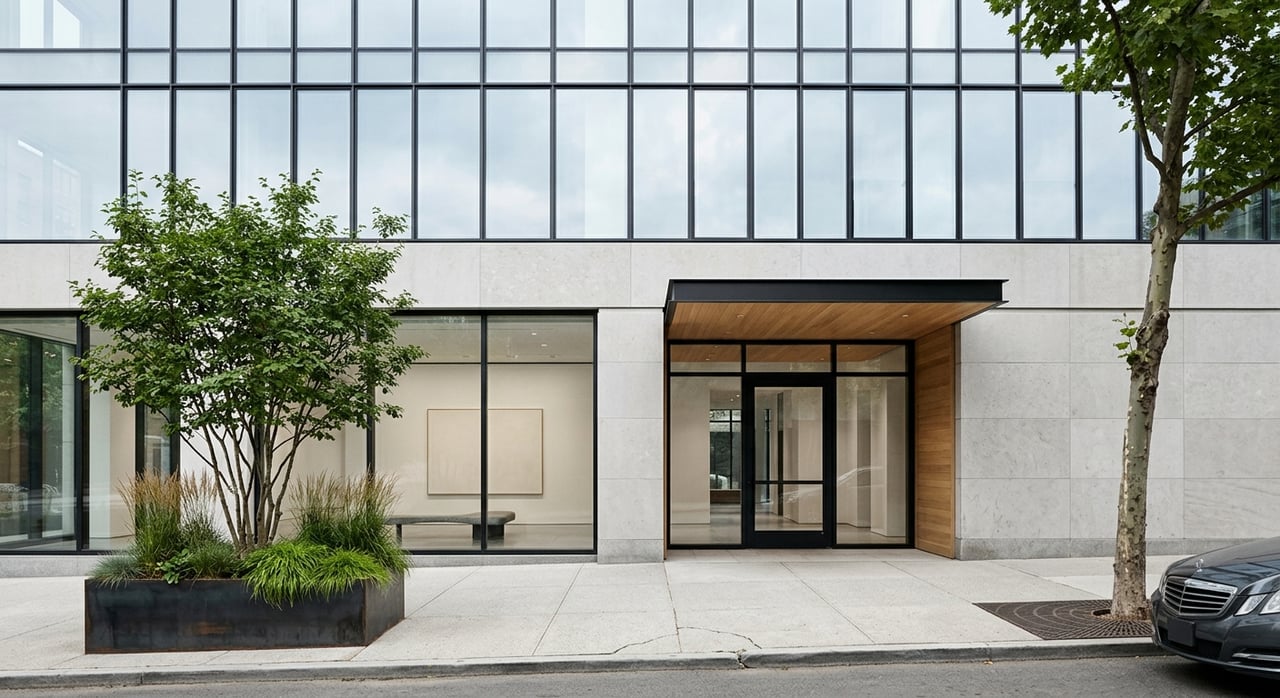
If you want Manhattan living with real outdoor access, Chelsea’s west side stands out fast. Near the High Line and Hudson River Park, you get a part of the neighborhood where waterfront routines, gallery energy, and distinctive architecture come together in a way that feels both active and layered. If you are weighing whether this stretch of Chelsea fits your lifestyle, this guide will walk you through what daily life looks like, what kinds of homes you will find, and why buyers continue to pay a premium to be here. Let’s dive in.
Why West Chelsea Feels Different
The portion of Chelsea closest to the High Line and Hudson River Park is often described in city planning materials as West Chelsea, generally spanning West 16th to West 30th Streets between the Hudson River and Tenth Avenue. According to NYC Planning documents, this area has developed as a mixed-use district where residential growth, arts-related uses, and the High Line all play a central role.
What that means for you in practical terms is simple: this is not a one-note neighborhood. Within a relatively compact area, you will see older industrial buildings, gallery spaces, newer residential development, and landmarked historic blocks. That visual mix gives this part of Chelsea a more textured feel than many newer West Side enclaves.
Park Access Shapes Daily Life
One of the biggest draws here is how easily outdoor space becomes part of your routine. The High Line is a 1.45-mile elevated linear park built on the former West Side rail spur, and city sources note that it is fully accessible with access points and restrooms.
Just to the west, Hudson River Park stretches four miles along Manhattan’s west side and draws more than 17 million visits each year. In Chelsea, the park system offers more than scenic views. It supports day-to-day living in a very real way.
What outdoor living looks like here
If you live nearby, your routine can easily include:
- Morning runs or bike rides along the waterfront
- Dog walks near the river
- Playground time and open space at Chelsea Waterside Park
- Casual evening walks with sunset views
- Seasonal recreation tied to the riverfront
Chelsea Waterside Park adds practical neighborhood amenities, including a playground, basketball court, athletic field, expanded dog park, picnic area, and restroom. For many buyers, that kind of nearby outdoor infrastructure is a major part of the appeal.
Waterfront recreation is part of the appeal
Hudson River Park is not just for walking. According to Hudson River Park, west-side locations including Chelsea and nearby neighborhoods also support kayaking, sailing, rowing, and outrigger canoeing.
That broader recreational network helps explain why this part of Chelsea can feel more lifestyle-driven than people expect from central Manhattan. You are not just buying proximity to a park. You are buying easier access to movement, views, and open air.
The Housing Mix Is a Major Draw
Chelsea near the High Line and Hudson River Park appeals to buyers who value architectural variety. NYC Planning describes a housing stock that includes loft buildings, four- to six-story walk-up tenements, converted garages and warehouses, and newer residential buildings, particularly along West 23rd Street.
That range matters because it gives you real choice in how you want to live. Some buyers are drawn to loft proportions and industrial character. Others prefer a newer condominium building with a more contemporary layout and amenity package.
Historic and industrial character still matter
The preserved built environment is a big part of Chelsea’s identity. The Chelsea Historic District and West Chelsea Historic District include Greek Revival and Italianate rowhouses, industrial architecture, and major warehouse buildings such as the Starrett-Lehigh building. The area also includes notable landmark fabric like London Terrace.
For you as a buyer, that means the neighborhood often feels visually rich from block to block. You can move from a historic streetscape to a loft corridor to a newer development within a short walk.
What buyers often like most
In this stretch of Chelsea, the value proposition is rarely about one feature alone. It is often the combination of:
- Loft-style scale and proportions
- Historic streetscapes
- Contemporary residential options
- Immediate access to major open space
- A walkable West Side location with strong transit
That combination is hard to replicate elsewhere in Manhattan at the same level.
Arts, Dining, and Everyday Convenience
Chelsea’s west side is not only residential. It also has a long-standing creative identity. City planning materials describe art galleries as a predominant commercial use in parts of West Chelsea, often located in converted garages and upper-floor loft spaces, alongside restaurants, bars, nightclubs, and photo or film studios.
If you value a neighborhood with cultural activity built into the streetscape, that remains a major part of the experience here. The result is a neighborhood that can feel both residential and creatively active at once.
Chelsea Market adds practical convenience
For everyday living, Chelsea Market is one of the area’s most useful nearby anchors. Its official materials describe it as a large indoor food and retail marketplace in a former factory building, open daily from 7 a.m. to 10 p.m.
That makes it more than a destination for visitors. If you live in Chelsea, it can also function as a convenient stop for dining and retail within your broader neighborhood routine.
Getting Around From Chelsea
Transit access is another reason this area remains so desirable. NYC Planning notes that West Chelsea is served by the A, C, and E trains, with nearby stations at West 14th and West 23rd Streets, as well as the M14, M23, and M11 bus lines. Planning materials also reference the 7 train extension at Hudson Yards as part of the area’s broader access picture.
For you, that means strong connectivity without giving up the neighborhood’s local feel. Whether your week centers on Midtown, Downtown, or other Manhattan destinations, the west side of Chelsea remains well positioned.
What the Price Point Tells You
Chelsea is firmly in Manhattan’s premium tier. A December 2025 Chelsea market summary reported a median home price of $2,257,500 and a median rent of $5,695 per month.
That pricing reflects more than simple location value. Buyers and renters here are typically paying for a fuller package: architecture, park access, waterfront proximity, transit, cultural uses, and the overall feel of a highly walkable West Side neighborhood.
Who this area tends to suit
This part of Chelsea may be especially compelling if you are looking for:
- A Manhattan home with meaningful access to outdoor space
- A neighborhood with both residential comfort and cultural energy
- Distinctive architecture rather than a uniform building stock
- A premium West Side location close to daily conveniences
If your priorities lean toward character, access, and lifestyle integration, Chelsea near the High Line and Hudson River Park checks many of the right boxes.
What to Keep in Mind When You Search
Because the housing stock is so varied, your search here benefits from a clear sense of priorities. A loft conversion, a historic building, and a newer residential development can all offer very different ownership experiences, even within the same part of Chelsea.
It helps to narrow your search around the features that matter most to you, such as layout, building style, proximity to the waterfront, or access to the High Line. In a neighborhood where buyers are often choosing between character and newer construction, clarity goes a long way.
If you are considering a move in Chelsea or comparing it with other prime Manhattan neighborhoods, working with a team that understands both the luxury resale landscape and the nuances of West Side inventory can make the process far more efficient. To explore opportunities with tailored guidance, connect with New York Collaborative.
FAQs
What is West Chelsea near the High Line and Hudson River Park?
- West Chelsea generally refers to the part of Chelsea from West 16th to West 30th Streets between the Hudson River and Tenth Avenue, where residential, arts-related, and park-oriented uses come together.
What kinds of homes are common in Chelsea near the High Line?
- Common housing types include loft buildings, walk-up tenements, converted warehouses and garages, historic rowhouses, and newer residential buildings.
Is Chelsea near Hudson River Park good for outdoor access?
- Yes. The High Line, Hudson River Park, and Chelsea Waterside Park make it easy to build walking, running, biking, dog walking, and other outdoor activities into daily life.
How convenient is transit in West Chelsea?
- West Chelsea is served by the A, C, and E trains, nearby bus lines including the M14, M23, and M11, and has broader connectivity through the 7 train extension at Hudson Yards.
How expensive is Chelsea real estate near the High Line?
- Chelsea is considered a premium Manhattan market, with a December 2025 median home price of $2,257,500 and a median rent of $5,695 per month.
Is Chelsea more residential or more arts-focused?
- It is both. West Chelsea is known for its residential growth as well as its strong gallery and arts-related presence, while nearby historic blocks add a more traditional residential streetscape.
